Last week, I posted to my LinkedIn for the first time with the ambition that I would receive positive engagement such as comments expressing how well written it is and reacting with love and clapping. However, I discovered the hard way that even great content won’t succeed if it’s posted at the wrong time. Through examining my LinkedIn analytics, I observed one of my recent articles didn’t fare as well as I’d hoped—not because the message was bad, but because I posted it on a day when my audience was least active. I had labored so hard at writing and publishing that I paid no heed to timing, thinking “any time is a good time.” The data belied this. It was a wake-up call that on LinkedIn, when you post can be just as significant as what you post.
To begin with, I posted on a Sunday night because I had hopes that by Monday morning, people will see it as they scroll through LinkedIn while at work because, let’s be real, who is really awake on a Monday after having so much fun over the weekends? Unfortunately, I only received one like from a connection and no comments. After Googling and doing further research on why this may be, this is what I found:
- Posting to LinkedIn on a Sunday evening usually means fewer eyes on your content, since most professionals are offline and not in “work mode,” making it harder to get early engagement. Without that quick momentum, the LinkedIn algorithm pushes your post lower in the feed, and by Monday morning it’s already buried under fresh content.
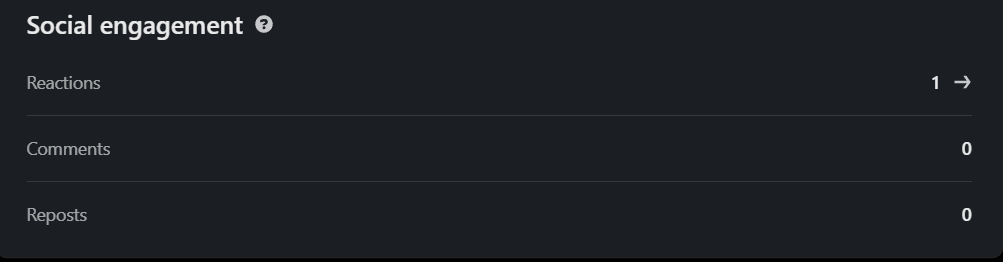
This became my wake up call to think “Oh! I should reconsider posting on another day! But what can I do to make sure I post the content on a specific date if I am not available to hit that submit button?”
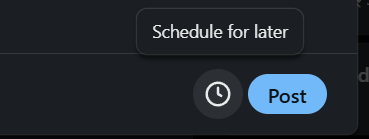
I played around with LinkedIn one evening to figure out a plan. It suddenly occurred to me. There is a “schedule for later” option right next to the post button. I could have used it on my previous post to attract more viewers at a specific time frame, but I did not notice until after. I took this as my learning step because I am now aware there is more to LinkedIn than meets the eyes due to advanced functions.
To make up for my mistake, with a burst of motivation and inspiration, I start planning my next LinkedIn post. To change up the atmosphere, I read multiple articles such as “Pharma and Healthcare Social Media Market”, “How Has Social Media Advertising Changed in Pharma”, and “LinkedIn: The New Top Pharma Marketing Tool”. I chose to read these articles because I had a spark of an idea, “Hmm, what if I write about how LinkedIn shaped PharmaMarketing? That could spark some discussion!”
I outlined my notes from reading the three articles to help me organize my thoughts and “sketch out” my second LinkedIn post. This step wasn’t just about structure—it was a deliberate way to apply what I’d learned from my first post’s mistakes. The reason I wish to replicate is so that I can accomplish more in myself and because I enjoy documenting the process in a small notebook that I carry with me, where I record things learned, ideas for innovations, and ideas about my growth.
Of course, with my high drive in creating my second post, I thought to myself that instead of attaching an image, why not do a GIF? People love GIFs, especially in text and chat with friends and colleagues. I chose to do GIFs to lure people in better because in this day and age, GIFs are everywhere. I became creative by utilizing OBS to screen record my LinkedIn scrolling, edit the footage in Vegas Pro, then converting it using GIPHY.
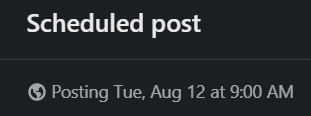
And with that, I posted my 2nd LinkedIn post with my original GIF, scheduled to go live this coming Tuesday at 9 am! Can’t wait to see the engagements!
 My Humble Abode
Leave a comment