
In Design Is Storytelling, Ellen Lupton talks about the idea of design fiction, where designers imagine and brainstorm possible futures by writing and visuals. Instead of trying to figure out today’s problems by itself, we ask “what if?” while creating imaginations in a world where people live different like living in an alternate universe. Lupton frames this as a storytelling tool that can help designers think beyond the constraints of current reality: prototypes, mock-ups, or visual narratives embody ideas about what could be. These speculative designs serve as stories that test assumptions, spark discussion, and help people reflect on the social and ethical implications of innovation. By turning imagination into tangible form, design fiction expands design’s role from making useful things to shaping meaningful conversations about the future.
When Ellen Lupton talks about design fiction in Design Is Storytelling, this is how designers may envision and render a future possible with storytelling and by means of speculative artifacts. The Cybertruck embodies it: it looks less like the typical pickup and more like something out of a science fiction movie. Its sharp, angular geometry, stainless steel body, and the futuristic branding tell stories of a world wherein vehicles are tough, sustainable, almost indestructible, which is a vision for the future in challenging the norms in car design.
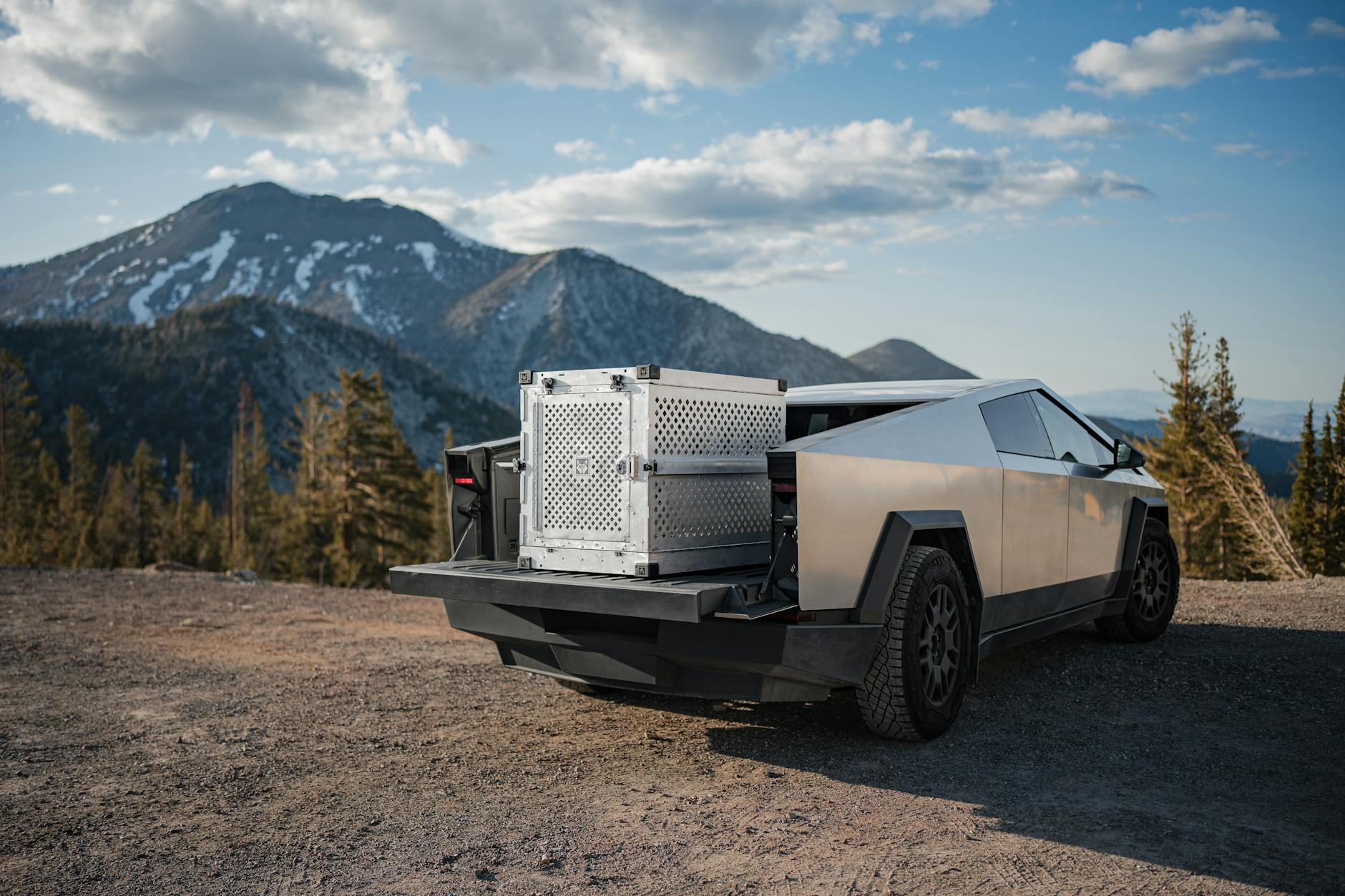
In this sense, Tesla used design fiction as strategy. Before the Cybertruck existed, its concept felt like an exaggerated vision of a future society valuing resilience, autonomy, and technological power. By making that vision into a real, buyable object, Tesla blurred the line between speculative design and consumer reality. The truck itself becomes a storytelling device-projecting a narrative of innovation and rebellion against automotive conventions.
When Elon Musk introduced the Cybertruck, many people felt the design was questionable because it was different compared to other pickup trucks from other car brands. Elon wanted to give a unique design so people remember it as “this belongs to Tesla” or “this is Elon’s original creation” to stand out amongst other cars on the market. The Cybertruck embodies how design fiction can move from provocation to production. It challenges the aesthetic expectations of pickup trucks and asks what vehicles should look like in an era of automation and ecological sensitivity.
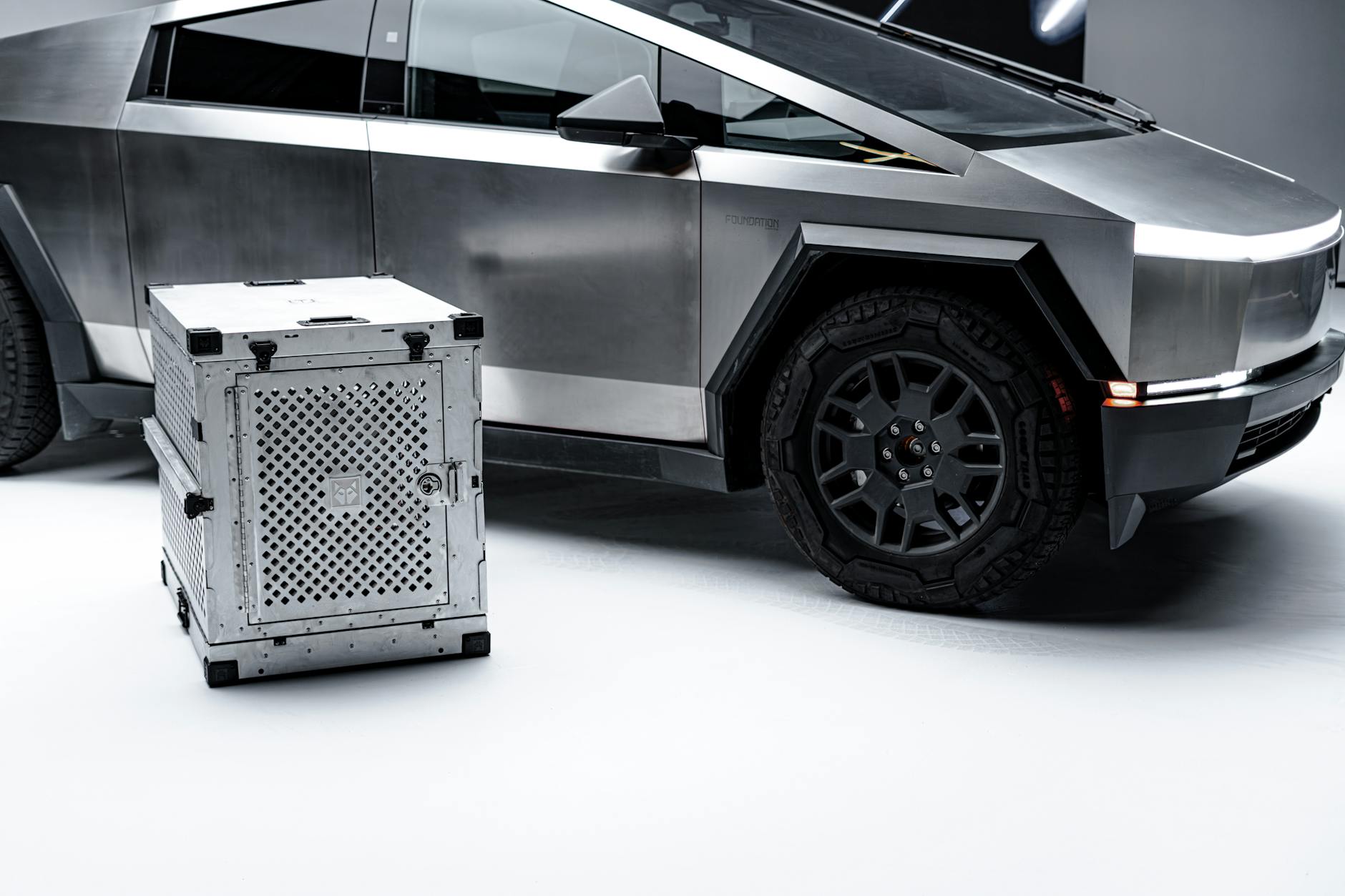
Design fiction has its responsibility, too. By rendering visions of the future tangible, designers influence how societies decide to prioritize progress. The out-of-ordinary aesthetic of the Cybertruck could be interpreted as a signal of a world bracing for more originality and enhancement to our future living. Other speculative designs show more cooperative or sustainable futures. These differences remind us that every act of design fiction also builds a worldview.
While design fiction has its own responsibilities in making imagined futures tangible and experiential, designers shape how societies interpret innovation and decide which directions to pursue. Other projects speculate on more communal or sustainable worlds. These contrastive visions remind us that every instance of design fiction engages in actively constructing and communicating a particular worldview.
In the end, Lupton’s notion of design fiction strikingly emphasizes the role of storytelling in shaping design practice. When designers employ imagination to construct hypothetical futures, they are not merely indulging in dreams but influencing the direction of real-life innovation. The Cybertruck speaks to how speculative imagination can reach into and inform market reality, revealing the ways that potent stories about the future might motivate design, production, and cultural conversation. In this way, design fiction is not only about fantasy or fictionality-it is about using storytelling as a design tool to question, provoke, and reimagine what our world might become.
 My Humble Abode
Leave a comment