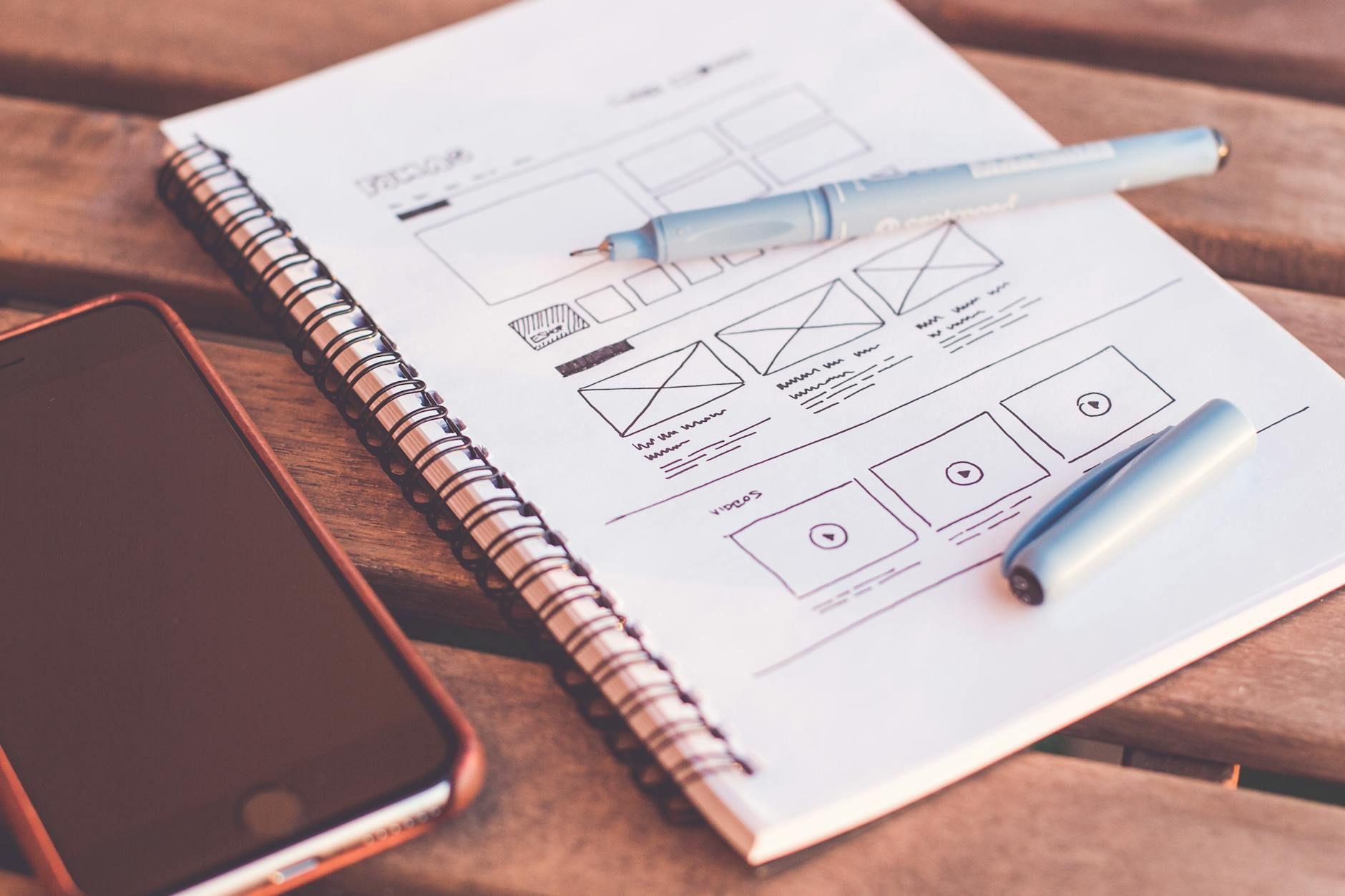
In the current high competitive market, products and services are not the determining factor of success anymore. Consumers don’t just purchase products or pay for services anymore. They now purchase experiences. This is a fundamental shift in the marketplace referred to as the experience economy. It is a major shift in how value is created and perceived. Design — not as an aesthetic device but rather as a strategic enabler — lies at the heart of this shift because it generates emotional connections between the brand and the consumer, creates engagement, and ultimately creates lasting value.
The phrase “experience economy,” first popularized by B. Joseph Pine II and James H. Gilmore in the late 1990s, denotes an economy in which experiences themselves become the primary product. Customers are no longer evaluating their purchase through functional or price- based analysis, but measuring the experience itself. Whether it’s enjoying coffee in a well-designed café, unboxing a new phone, or navigating an app interface, all of these interactions contribute to and the overall experience.
This shift has resulted in design assuming a much bigger and more complex role. Design is no longer merely concerned with aesthetics and usability; design becomes the curator of emotional resonance — the middleman of a brand’s intention and the reality of the customer’s lived experience.
At its essence, design is a sort of communication. It has the ability to tell a story, display an emotion, and establish meaning. In the experience economy – where differentiation becomes increasingly emotional versus functional – design is a powerful language for building relationship.
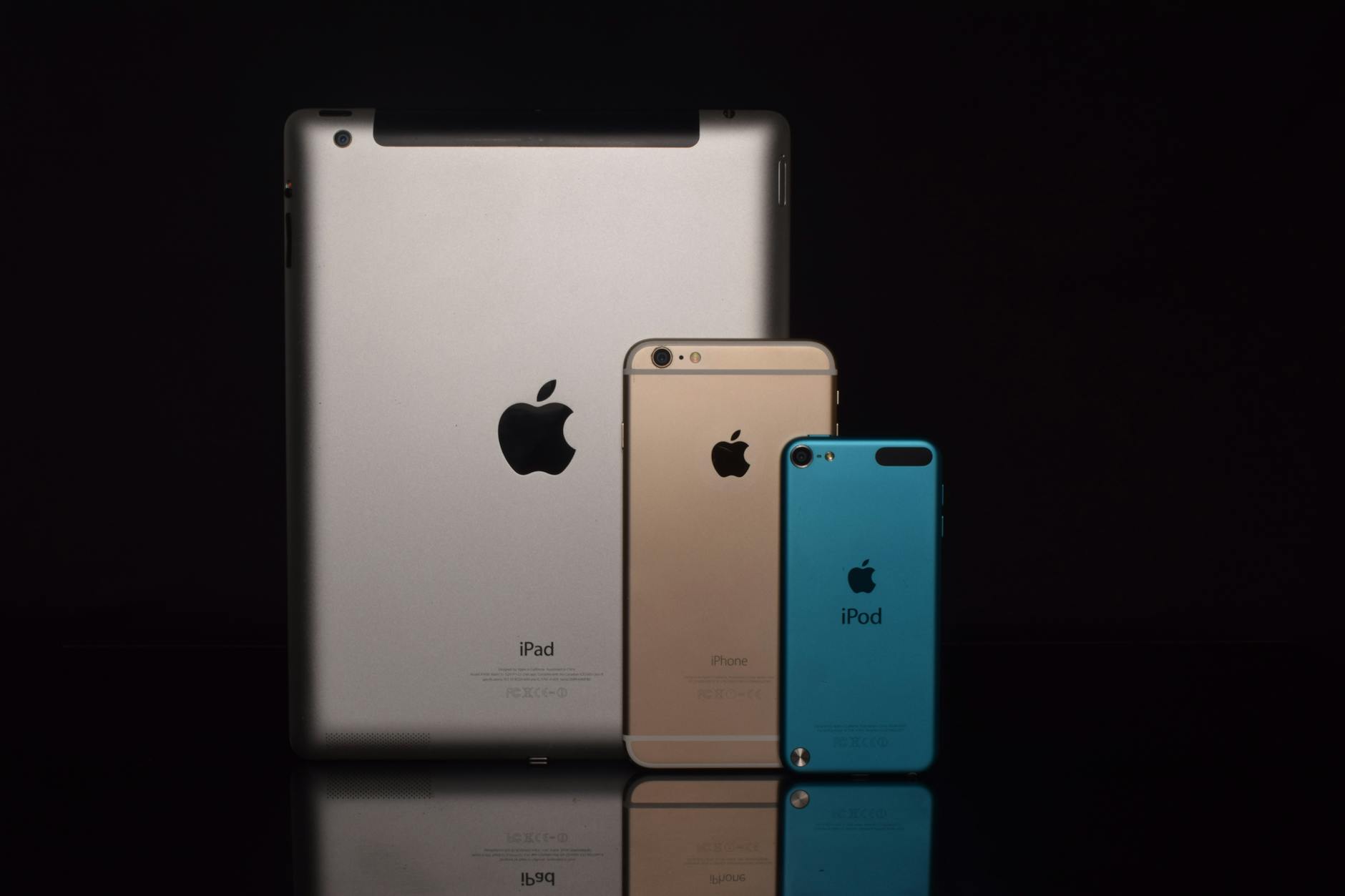
Consider Apple as an example. Every detail about the products from their minimalist product design, ease of use, and straight forward packaging all suggest elegance and a sense of empowerment. All of the details from the “feel” of a MacBook’s aluminum chassis to the smoothness of an animation for an iPhone screen, it creates an emotional storyline of sophistication and innovation. Apple is not selling a device; it is selling delight, confidence, and a place in a community of consumers that have an obsession with products that look good and are well engineered.
The emotional response to design can be boiled down to three major elements:
- Aesthetics: The visual and sensory aspects of design generate first impressions. To put it another way, colors, typography, materials, and spatial considerations elicit some form of emotion — whether warmth, excitement, or calm. Each of these aesthetic choices carries traditional meanings that shape how consumers approach the brand’s personality.
- Empathy: Human-centered design begins with an understanding of its users’ needs, wants, and frustrations as humans. When a design solution shows empathy for a human experience — for example, when it solves a real problem in a beautiful way — the relationship between the brand and the user becomes founded on trust and emotional loyalty.
- Storytelling: In a way that cannot be articulated with words, design creates a narrative for the brand. The way a product looks, feels, and behaves communicates not only what the brand represents but also the importance of what the brand represents.
In the world of experiences, design adds value through the creation of meaning, rather than solely focused on function. Consumers demonstrate a willingness to invest more in products and services that hold emotional resonance for them, as they view these objects as extensions of themselves. When looking at these better designed objects and services, these elements become representations of values, desired outcomes, and lifestyles.
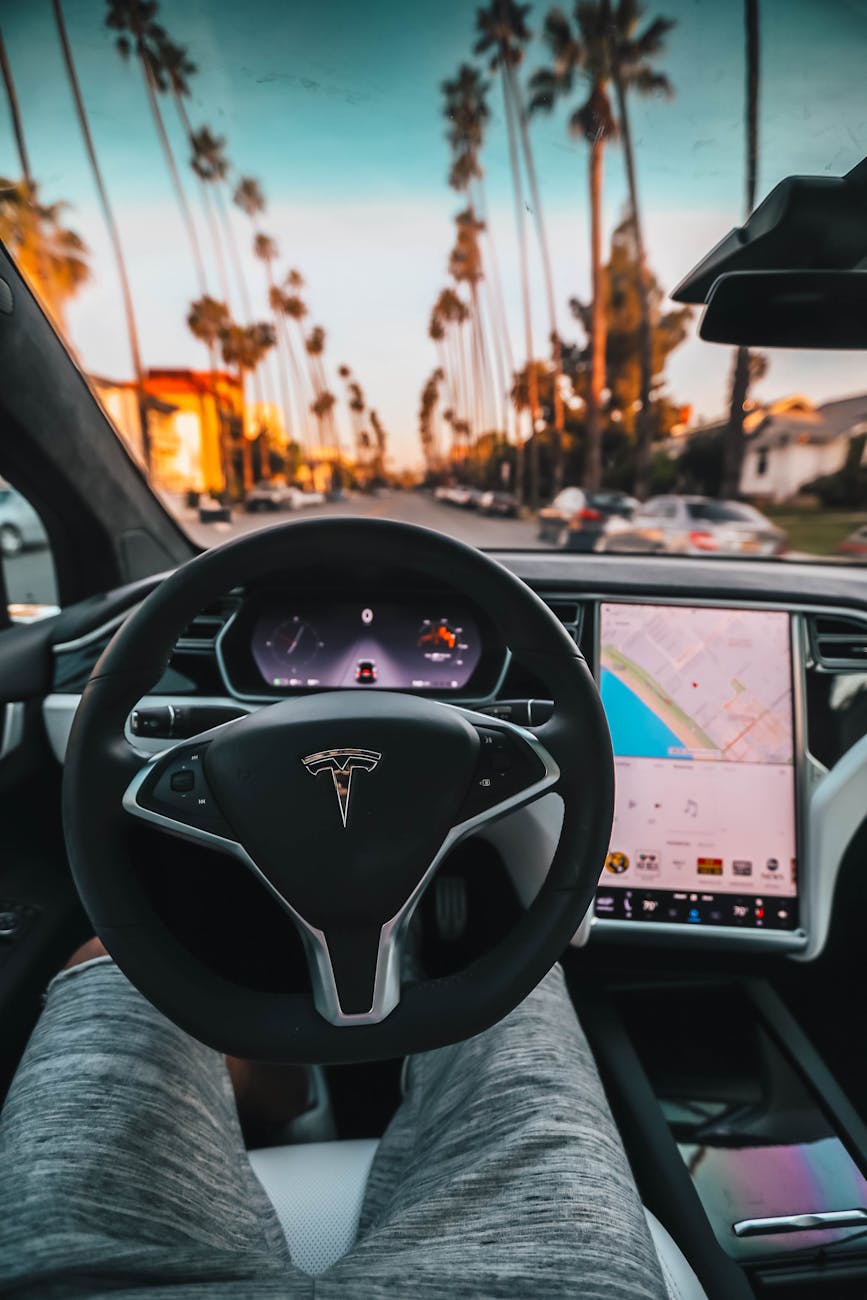
Patagonia is an example of a highly regarded brand designed with the emotionally and sustainable conscious consumer in mind. The design language, materials, and overall aesthetic support a ruggedness, and a passion for a deep concern for the environment, which aligns with their mission of sustaining a balance with nature. On the other hand, Tesla’s planned ad sleek, futuristic design aesthetics communicates propels a sense of cutting edge, progress, and innovation. In each case the design language turns the product into a medium of emotional expression which also aligns with the worldview of the consumers.
That perceived value becomes brand equity, not only are companies focusing on designing an overall better experience and engagement process, they are creating more opportunities for emotional connection with the brand (and therefore emotional connections through continuous purchases and use of the brand) and building stronger emotional bonds as the consumer becomes empowered by self cetegory of their worldview. When faced with a world of options, emotional loyalty is a brand’s gold in terms of their most defensible asset.
In order to leverage the full power of design in the experience economy, organizations need to embrace design thinking, an iterative, human-centered approach that fuses empathy, experimentation, and collaboration. Design thinking enables organizations to go further than inquiry into what their customers purportedly want and instead explore what they actually need.
This shift in mindset supports companies in creating comprehensive experiences instead of isolated touchpoints. Airbnb, for example, applies design thinking to create engaging experiences through a seamless experience that blurs the line between online and offline environments. The website is engaging, the photography evokes emotion, and the tone of messaging are all designed to provoke feelings of trust, belonging, and adventure, creating a rich experience of discovery from booking accommodations.

As technology continues to change, the role of design in shaping experiences will continue to grow in importance. Technology, artificial intelligence, augmented reality, spatial computing, etc. are opening ways for immersive, personalized experiences. The emotional heart of design remains the same: it’s about helping people feel something important.
The biggest and most successful brands of the future will understand that design is not for decoration alone, but strategically for emotionally engaging. These brands will know that every visual cue, every interaction, every sensory detail contributes to an emotional journey, ultimately defining the perceived value in the eyes of the customer.
Within the experience economy, design is what distinguishes products as experience and transactions as relationships. Design elevates value by creating emotional connections — the kind that motive loyalty, advocacy, and long-held impressions. When a design is empathetic, intentional, and emotionally intelligent, it then creates meaning, not just beauty. And in the world today, meaning is the ultimate currency, and design is where value creation begins.
References
Pine II B. Joseph, & Gilmore, J. H. (2011). The Experience Economy, Updated Edition. Harvard Business School Press.
Apple’s launch playbook: Design as spectacle, story, and strategy: Printweekindia. PrintWeek. (2025, September 15). https://www.printweek.in/news/apples-launch-design-as-spectacle-story-and-strategy-60992
Lau, S. (2025, July 20). Tesla’s brand identity explained: More than just electric cars. Tesla’s Brand Identity Explained: More Than Just Electric Cars. https://newswirejet.com/teslas-brand-identity
 My Humble Abode
Leave a comment