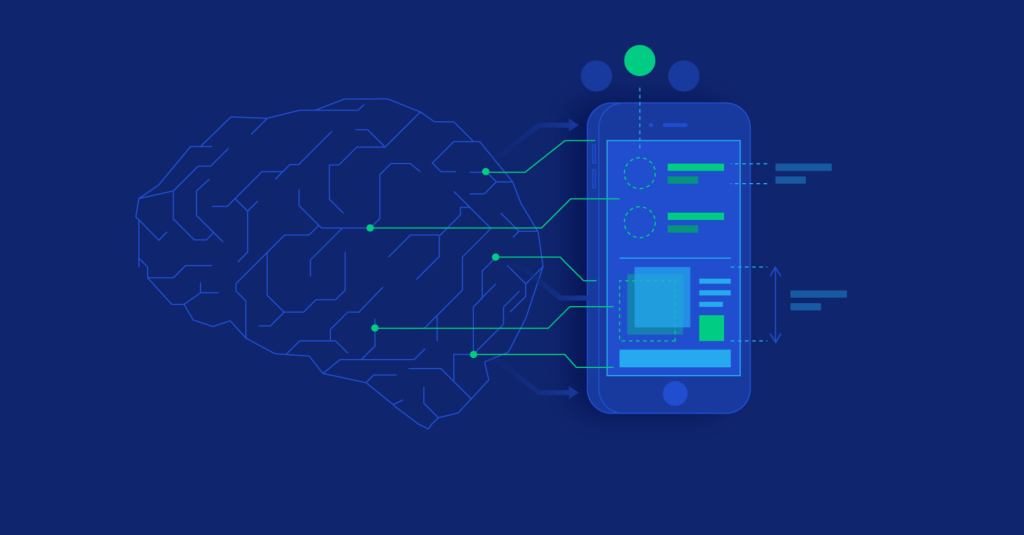
One of the strongest and often unseen influences on the way in which the public typically interacts with goods is through their mental models. In user-centered design, knowing what those mental models are can mean the difference between an interface that makes immediate sense to the user and one that may confuse, frustrate, or cause the user to feel lost.
What Are Mental Models?
Mental models are the internal representations that people make of how things work. They’re based upon demonstration, prior experience, cultural influences, and learned behavior → people use them to make predictions about future events, and to help guide their own behaviors.
For example, people generally expect:
- A trashcan icon will delete something.
- Underlined text will be a link to something.
- A magnifying glass icon will refer to a search function.
Nobody teaches these rules; rather, they are developed over time ⇒ as they become part of someone’s external reality or their expectation to find a product or service that conforms to this model. If a user’s expectations align with what they find in a product’s design, they will be confident in using that product; but if their expectations are not met by what they find in the design, they will experience some level of cultural friction with that product.
Mental Models in User-Centered Design
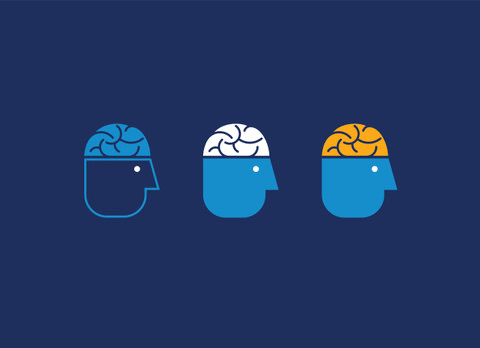
User-centered design includes considering people’s thought processes (or mental models) as much as the functionality of a product; therefore, understanding these mental models and the way that users think about how a product will behave, as opposed to how the product actually works behind the scenes, is vitally important.
There are two primary mental models involved in this process:
- The User Mental Model – The user’s perception of how the system operates
- The System Model – How the system actually functions
When there is an alignment between the user mental model and system model, the user will experience less friction and have fewer difficulties during their interactions with the system. Designers must create an interface that bridges the gap between the two models so that the user’s experience is seamless.
Importance of Mental Models:
- Decreased Cognitive Load: If the design fits the user’s preconceived notion of how things should work, the user does not have to figure out how to interact. By facilitating use through established patterns, the user’s brain is able to process needed mental effort towards the actual task rather than towards comprehension of the user interface.
- Increased Learnability: By creating user interfaces that follow existing conventions, the user receives a free pass to use what they already know about other apps and experiences; therefore, intuitive user interfaces are easier for users to learn and use.
- Decreased Error Rates: If users have an understanding of cause and effect, they have fewer errors. By creating user interfaces using confusing models, users are more likely to make incorrect assumptions and take unintended actions based on those assumptions.
- Development of Trust: Subsequently, when the predicted behavior of an established system does not occur, users may perceive the application as unreliable (despite being functionally correct). When users predict what to expect from an app, their expectations grow and ultimately lead to investigative behaviors when the unexpected occurs.
Ways Designers Learn About Mental Models
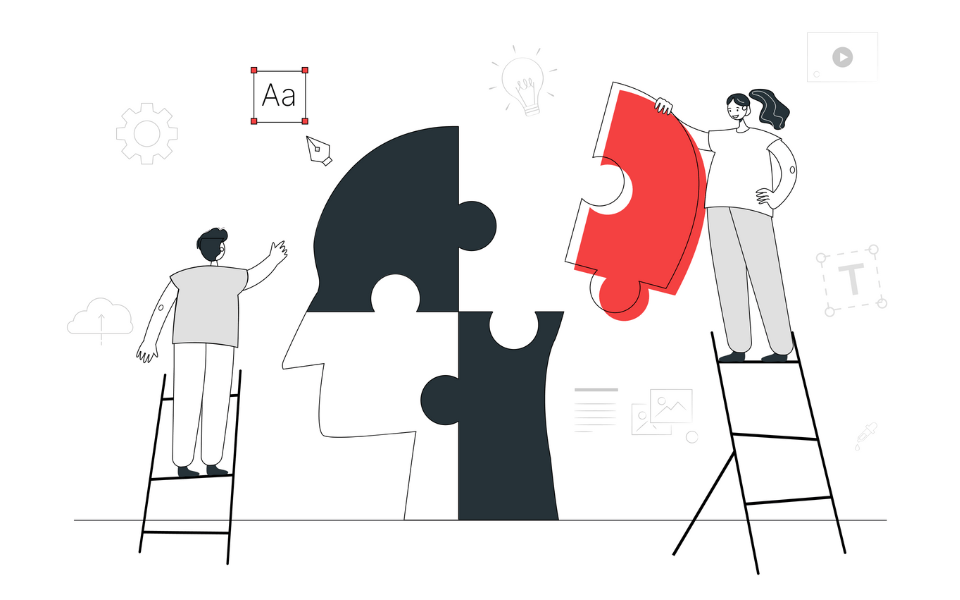
It is important for designers to do research because they can never be sure how their users think. Here are some common methods of user research:
- Interviews with the user – Ask the user how he/she thinks the system works
- Card sorting – Reveals how the user thinks about grouping and naming the information
- Journey mapping – Where do the user expect to be in the process?
- Usability Testing – Where is the breakdown in their mental model
One way to learn about mismatched will be to listen for certain phrases like “I thought that this would…”
Designing With Mental Models
Use Familiar Patterns
Use common UI standards unless there’s a compelling reason not to; there Shouldn’t be a need to lose clarity for the sake of being innovative.
Match Users’ Language
Use words users are familiar with and use daily rather than technical or internal jargon.
Show the User What is Happening
Providing clear feedback to users while they are working with systems and applications enables the user to adapt their mental model based on changes to their expected outcome.
Teach by Doing
The use of progressive disclosure, tool tips, and onboarding will assist users in evolving their mental model over a period of time.
Be Predictable
Predictable outcomes/cycle, create stronger models. In addition, any sudden changes in the rules create the need for users to re-learn their model.
Final Thoughts
Users have mental models, which act as a phantom reference for every interaction they have with a product or service. This means that creating a product using user-centered design means designing for both usability and for the way that users perceive and interact with the product/service in the real world. When designers create products that are aligned and meet users’ expectations, the experience is seamless, easy, and enjoyable. When designers fail to deliver products or services that align with user expectations, even the most robust pieces of technology will not be usable.
Ultimately, design success is determined not by how a product works, but by whether it behaves the way that users believe it should.
 My Humble Abode
Leave a comment