
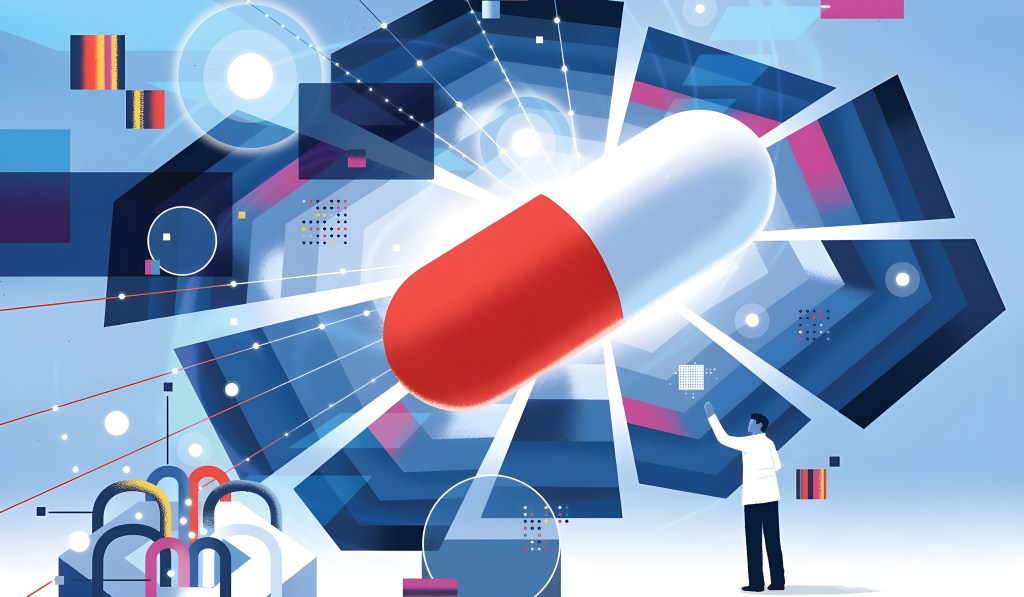
For the pharmaceutical industry today, AI is not something that might happen in the future, but is actively changing not only how drugs are marketed, but also how patients will be engaged with and how compliance with regulations will happen. But with that change, comes a whole new level of responsibility and as a result, the pharmaceutical industry is a high-profile intersection of the commercial and public health world.
The momentum is undeniable
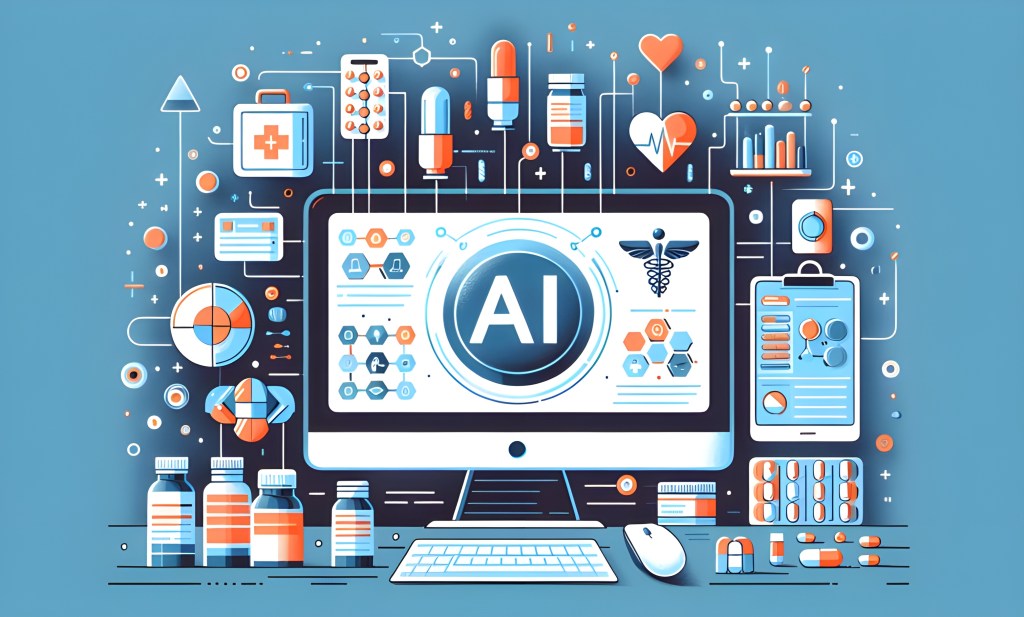
The numbers alone signal a sea change. The global AI in pharmaceutical market is valued at $6.16 billion in 2026 and is projected to reach $34.99 billion by 2031, growing at a staggering CAGR of over 41%. A 2024 Bain & Company survey found that 60% of pharma executives had already moved beyond ideation into building concrete AI use cases, with 40% applying projected savings into their budgets.
The Marketing Departments are the main beneficiaries of the opportunity to use AI platforms to move away from Marketing strategies of sending “one message to everyone” to create Precision-based Engagement Programs for Healthcare Professionals (HCPs) and Patients. The use of behavioral/psychographic segmentation in lieu of traditional demographic segmentation to find the target customers gives companies the ability to use omnichannel strategies which have traditionally required large content developing teams to now be done with much smaller teams.
“AI is now the first place people go to for answers.” — Jesse Wolfersberger, Global Lead of I/O Health, Weber Shandwick
Where AI genuinely helps

One of the most compelling legitimate applications is regulatory compliance. Pfizer, for example, has developed AI-powered tools that scan marketing materials for problematic claims, flag missing fair balance statements, and verify that labeling aligns with approved standards — automating a review process that used to bottleneck entire campaigns. For medical, legal, and regulatory (MLR) teams, this is a genuine productivity breakthrough.
AI also shines in pharmacovigilance. The FDA’s Sentinel Initiative pulls from over 200 million patient records to detect adverse events within 48 hours — a latency that human reviewers simply cannot match. On the content side, AI accelerates the generation of personalized materials for different HCP audiences, helping brands maintain a consistent message across dozens of touchpoints without sacrificing quality.
The risks are real — and sometimes life-threatening

Not everything is upside. The most sobering concern is medical misinformation. A 2024 study published in The BMJ found that most major AI language models could be prompted — with the right inputs — to produce convincingly false health claims, complete with fabricated supporting data. In an industry where a patient might turn to an AI chatbot to ask whether their medication is safe, the consequences of a hallucinated answer are not hypothetical.
Then there’s the issue of algorithmic bias. As the WHO has highlighted, AI models trained on non-representative datasets risk encoding health disparities — potentially directing high-quality marketing and patient support resources toward well-represented populations while underserving others. A tool optimized to find the highest-value prescriber audience could quietly redline entire communities.
Data privacy is another live wire. Pharma marketing often involves sensitive health information, and AI systems that ingest large patient datasets create substantial exposure under frameworks like HIPAA and GDPR. Industry advisors consistently note that healthcare data’s stringent regulatory requirements make many marketers — rightly — cautious about how AI tools handle that information once it enters the system.
The verdict: powerful, but not self-governing
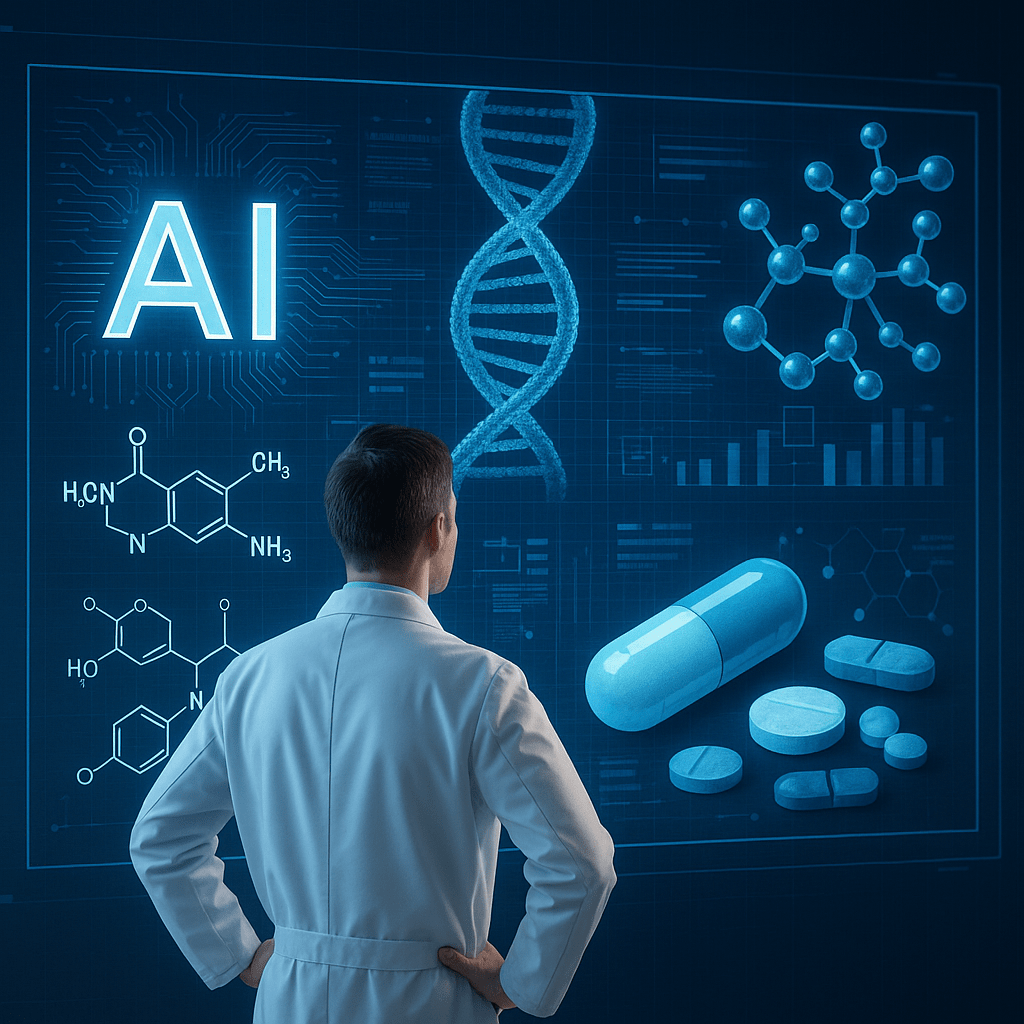
AI in pharmaceutical marketing is neither savior nor villain — it is an amplifier. Used well, with robust human oversight, clear governance frameworks, and a genuine commitment to accuracy, it can make pharma marketing more personalized, more efficient, and paradoxically more trustworthy. Used carelessly, it can spread misinformation at scale, entrench inequality, and expose companies to serious regulatory and reputational risk.
The companies getting it right are treating AI as a high-powered collaborator rather than a replacement for human judgment. That means keeping medical and legal professionals in the loop on AI-generated content, auditing models for bias, and — critically — ensuring that the scientific information they publish is machine-readable and accurate enough to counteract bad data already circulating in AI training sets.
The technology is advancing faster than the regulatory frameworks meant to govern it. That gap is where the real danger lives — and where the most important conversations in pharma marketing are happening right now.
Sources
Mordor Intelligence — AI in Pharmaceutical Market Forecast 2031
Fierce Pharma — How pharma marketers are using AI
L7 Creative — How AI Is Transforming Pharma Marketing in 2025
Anthill — AI in Pharma Marketing: Strategy, Content, and Technology
CrowdPharm — The Challenges of AI in Pharmaceutical Marketing
Coherent Solutions — AI in Pharma and Biotech: Market Trends 2025
IQVIA — AI Trends in Pharma: Drug Safety and Regulatory Compliance 2025


Leave a Reply