

Not long ago, pharmaceutical marketing meant a sales rep with a briefcase, a stack of glossy brochures, and a scheduled lunch with a doctor. Today, that same company might be deploying AI-driven personalization engines, AR product visualizers, and omnichannel campaigns optimized in real time. The transformation has been sweeping — and it’s far from over.
Then: The Era of the Rep and the Print Ad
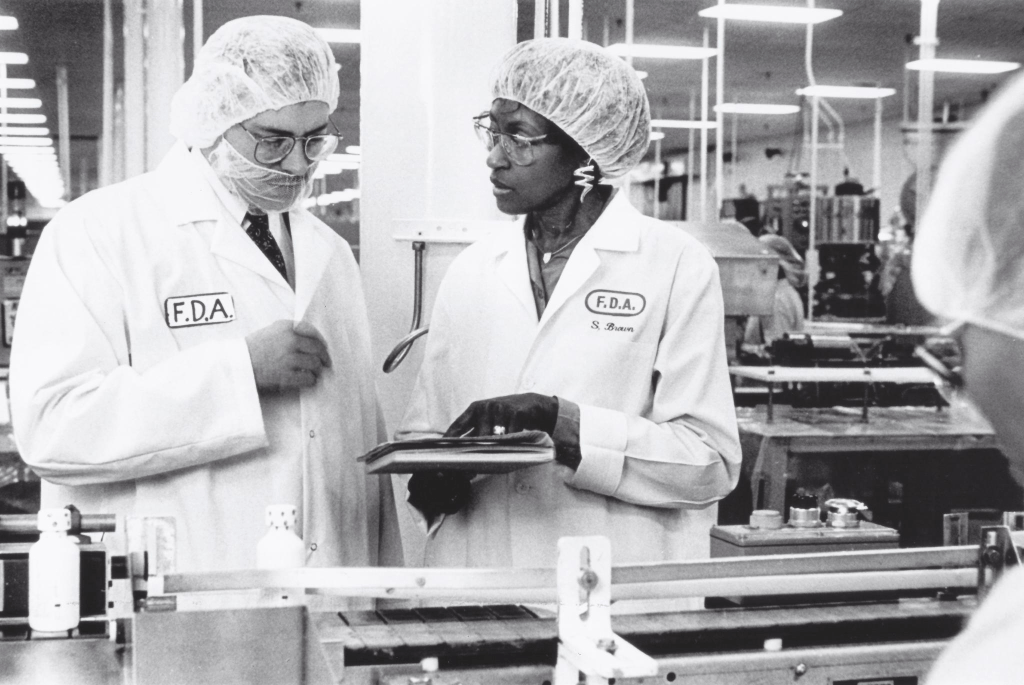
For decades, pharma marketing was built on three pillars: the field sales force, print advertising, and direct mail. The “detail man” — a pharmaceutical sales representative — was the primary channel for reaching physicians. Information flowed in one direction: from company to doctor, with little feedback and no real-time data.
Broadcast and print dominated the consumer side. The FDA’s 1997 relaxation of direct-to-consumer (DTC) advertising rules opened the floodgates for TV commercials and magazine spreads, giving rise to the now-iconic format of a smiling patient in a sun-drenched meadow followed by a rapid-fire list of side effects.
Campaigns took months to develop, longer to measure, and were largely one-size-fits-all. If a message wasn’t landing, you might not know until the next sales cycle.
Now: Digital-First, Data-Driven, and Patient-Centric
The shift to digital has been seismic. According to Papirfly, pharma companies are now using advanced data analytics and AI to create personalized marketing experiences tailored to individual healthcare professionals (HCPs), patients, and caregivers — a far cry from generic, broadcast-era messaging.
Real-time data is perhaps the biggest game-changer. As noted by Amnet, big data analytics allows pharma marketers to make informed decisions based on real-time data, eliminating guesswork. Campaigns can now be adjusted mid-flight, audiences can be segmented with surgical precision, and ROI can be tracked far more accurately than anything a field rep’s call report ever captured.
As the development of social media increases the way in which an individual engages and communicates with others, another significant channel has emerged. The 2025 trend report from LiveWorld states that nearly 40% of Gen-Z individuals utilize social networking sites like TikTok to conduct research for their questions regarding health as opposed to traditional search engines. As such, this represents an entirely new behavior pattern that is likely going to change how pharmaceutical brands promote their products and build trust with consumers.
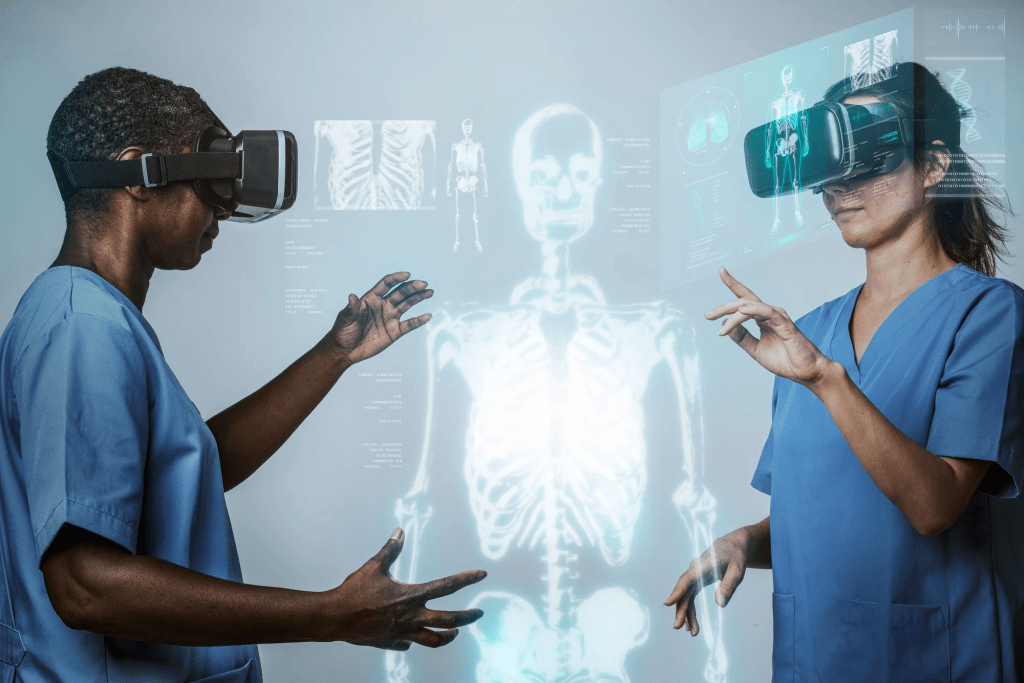
In addition, immersive technology (e.g., virtual reality (VR) and augmented reality (AR)) is now becoming a major part of the marketing mix. P360 reports that pharmaceutical companies are actively employing VR/AR to create interactive/educational experiences for healthcare professionals (HCPs) as well as patients. One notable example is how Johnson & Johnson has tested the use of VR tools to help HCPs visualize complex treatment protocols in the context of ongoing patient care.
The AI Inflection Point

If social media was the first digital revolution in pharma marketing, artificial intelligence is the second — and it’s moving faster. According to Spectrum Science’s outlook for the year 2026, traditional search engine volumes are likely to decrease approximately 25% due to the widespread adoption of generative artificial intelligence (AI). This will fundamentally change the way that brands obtain visibility in search engines. No longer will patients and healthcare professionals use Google exclusively; instead, they will utilize ChatGPT, Perplexity and other platforms to obtain real-time summarized results.
Avenga’s pharma trend analysis projects that AI in pharma and biotech will grow from roughly $2.35 billion in 2025 to $7.61 billion by 2034. The implications for marketing are enormous: from AI-generated personalized content at scale to predictive campaign modeling and agentic tools that can autonomously optimize engagement strategies.
What Hasn’t Changed

For all the technological upheaval, one truth remains constant: trust is still the currency of pharma marketing. Whether it was a rep building a relationship with a physician over years or a digital platform delivering credible health education at scale, the underlying goal is the same — connect the right information to the right person at the right time.
In it’s 2025 Future of Health Report, ZS reported that only 29% of healthcare consumers feel that they are being treated with care after an experience with a healthcare provider, down from 37% the previous year. While technology has increased the ability to reach patients, it has not automatically strengthened relationships. The winning brands today are those that are utilizing digital tools to not only make noise but also to do more listening.
The journey from the detail man’s briefcase to a real-time AI marketing platform represents one of the most dramatic evolutions in any industry’s commercial history. The tools have changed beyond recognition. The mission — getting the right therapy to the right patient — hasn’t changed at all.
Sources: P360 | Amnet | LiveWorld | Avenga | Spectrum Science | Papirfly | ZS


Leave a Reply