
Throughout my time in the Interactive Media and Communications program, I’ve produced a growing body of creative work — projects that reflect not only technical skill but real intellectual and professional growth. From digital literacy to strategic communication, each assignment has expanded my capabilities in ways that deserve more than a scattered collection of uploads.
That changes now.
Why a Portfolio Is More Than a Website
There’s a meaningful difference between having an online presence and having a professional portfolio. A website says I exist. A portfolio says here’s what I can do, here’s how I think, and here’s the value I bring.
A portfolio is a curated collection of work samples, methods, and materials that provides an overview of your skills, capabilities, and qualifications — far more than a résumé, it offers tangible evidence of your proudest projects. Blurb For those of us in creative and communications fields, it can be the deciding factor when choosing between candidates with similar qualifications on paper. Blurb
This is why I’m moving from a basic site to something more intentional.
The Case for Personal Branding
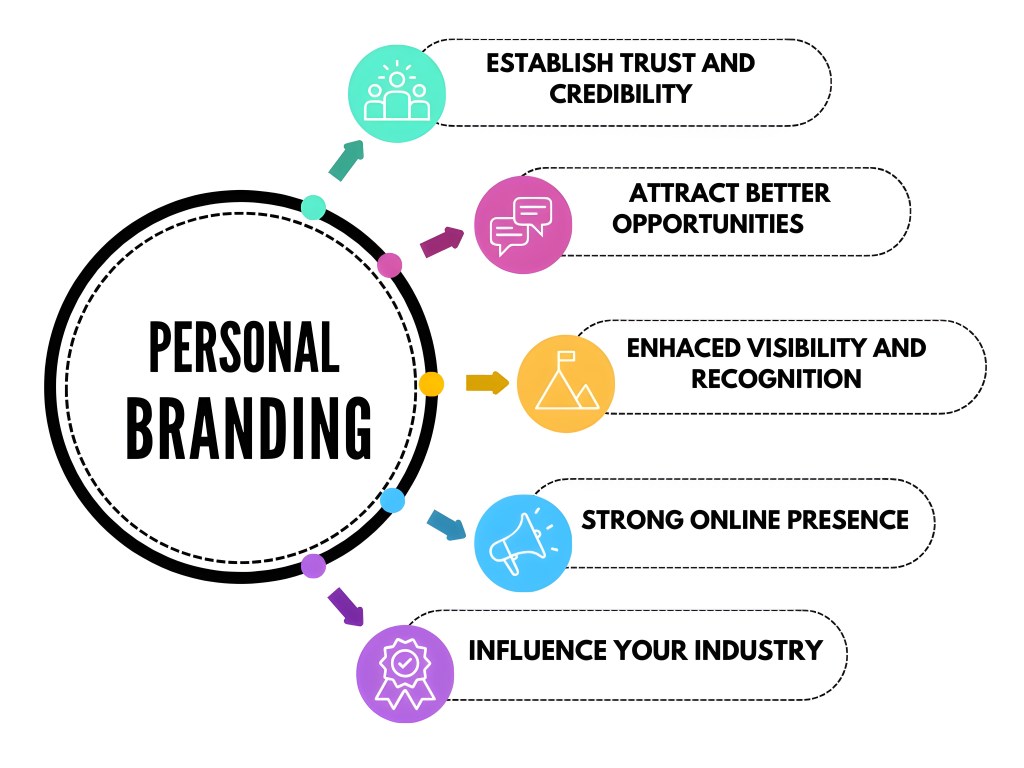
Building a portfolio is inseparable from building a personal brand. For students navigating the transition from academia to the professional world, personal branding has emerged as a strategic tool for differentiation, credibility, and career acceleration. Thefoundermedia
Your personal brand is the unique combination of your skills, experience, and personality that sets you apart — your digital reputation, curated through your website, social media, content, and interactions. Penn LPS Online Every project I choose to include, every description I write, and every design decision I make contributes to that reputation.
The research backs this up. A study of 280 graduates found a strong and statistically significant relationship between personal branding on social media and career advancement Semantic Scholar — a finding that reinforces what most working professionals already know intuitively.
What Makes a Portfolio Actually Work
Rebuilding my portfolio isn’t just about aesthetics — it’s about strategy. According to recent industry guidance, the portfolios that get noticed are the ones that showcase measurable outcomes, highlight your thought process, and guide viewers through the problem, process, and results of each project. WebWave
That’s exactly the framework I’m adopting. For each piece included, I’ll be documenting:
- Project goals — What was the challenge or brief?
- Level of involvement — What was my specific contribution?
- Key takeaways — What did I learn, and how did it shape my practice?
This approach transforms individual projects into case studies, which demonstrates the ability to think strategically about creative decisions and shows potential employers that you understand the business context of your work. 24 Seven
Curation Over Volume
One of the most important lessons in portfolio design is knowing what not to include. Only 15 to 20 carefully curated pieces will actually grab the right attention — quality and storytelling beat sheer volume every single time. Pikd
My goal is a portfolio that’s easy to navigate, organized by course, topic, and skillset, and free from information overload. Visitors should be able to understand who I am and what I do within the first few seconds of landing on the page.
Tools and Platforms Worth Exploring
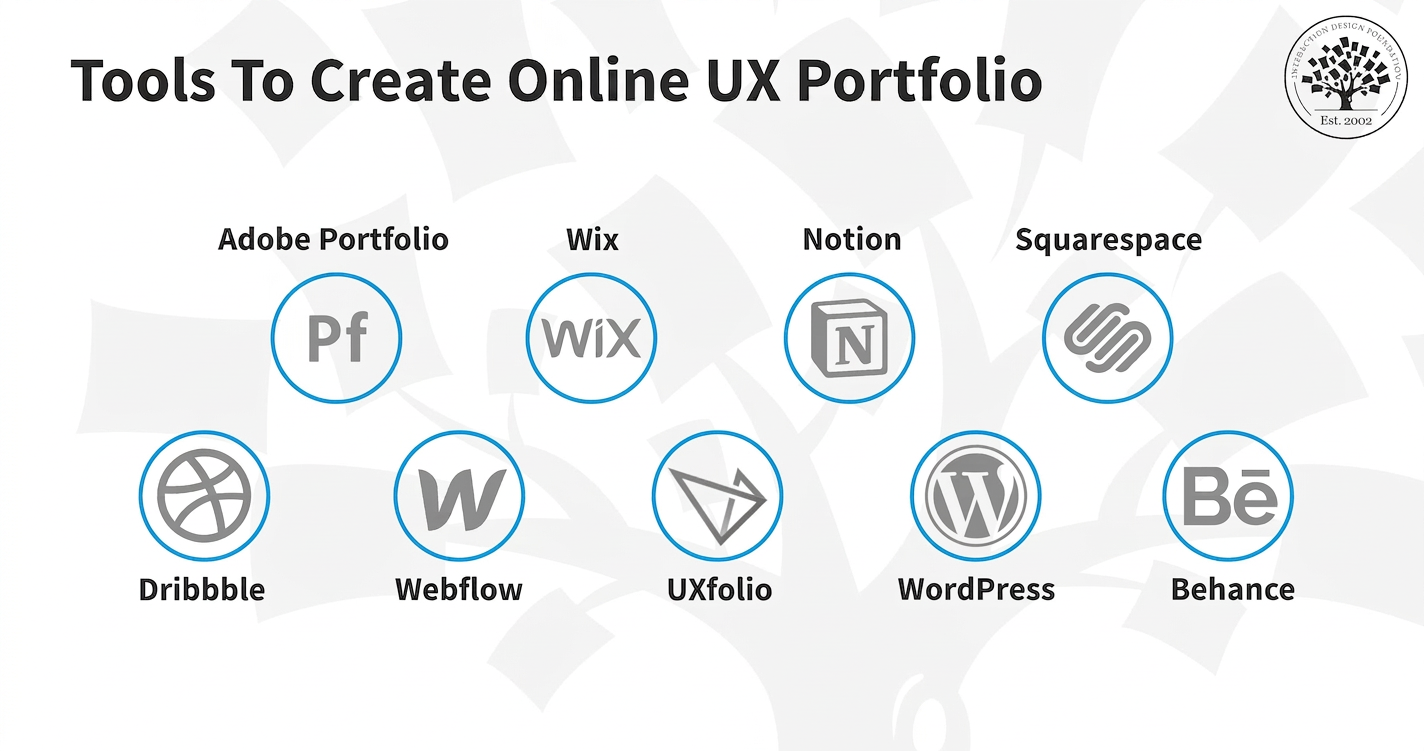
For those also building or refreshing their portfolios, a few platforms worth considering:
- Adobe Portfolio — Seamlessly integrates with Creative Cloud; ideal for visually-forward creatives
- Behance — Functions as both a portfolio platform and a professional network with strong discoverability
- Canva — Accessible for beginners, with flexible templates for a range of creative styles
- Notion — An underrated option for organizing portfolio content with project context and process documentation
Website builders like Squarespace, Wix, and Adobe Portfolio are ideal for quick setup and professional results without coding knowledge, while custom WordPress or HTML/CSS solutions offer more creative control for those with technical skills. 24 Seven
This Is the Beginning
This portfolio is not a final product — it’s a living document of my growth. New projects, new skills, and new experiences will continue to shape it. But the foundation I’m building now is intentional: every piece earns its place, every description adds context, and the overall experience reflects not just where I’ve been, but where I’m headed.
As the Blurb creative team puts it, a well-conceived portfolio speaks volumes to prospective employers and clients about your skillset, capabilities, and experience. Blurb
This is mine — and it’s just getting started.


Leave a Reply